
Acreage or In-Town in Redmond? Here's How to Choose
What Are the Differences Between Living in Redmond: Redmond Acreage vs In-Town?
If you're moving to Redmond, you've probably already noticed something on the map. The city itself is compact and walkable in spots, but the moment you drive five or ten minutes in any direction, the landscape opens up. Junipers, lava rock, hay fields, and views of the Three Sisters that stop you mid-sentence.
So the question I get from buyers almost every week is this. Should I live in town, or should I head for acreage?
I've sold homes in both for decades, and there's no single right answer. There's only the right answer for you. Let me walk you through what actually changes when you cross that invisible line between in-town Redmond and the rural edges of Deschutes County.
What "In-Town Redmond" Really Means
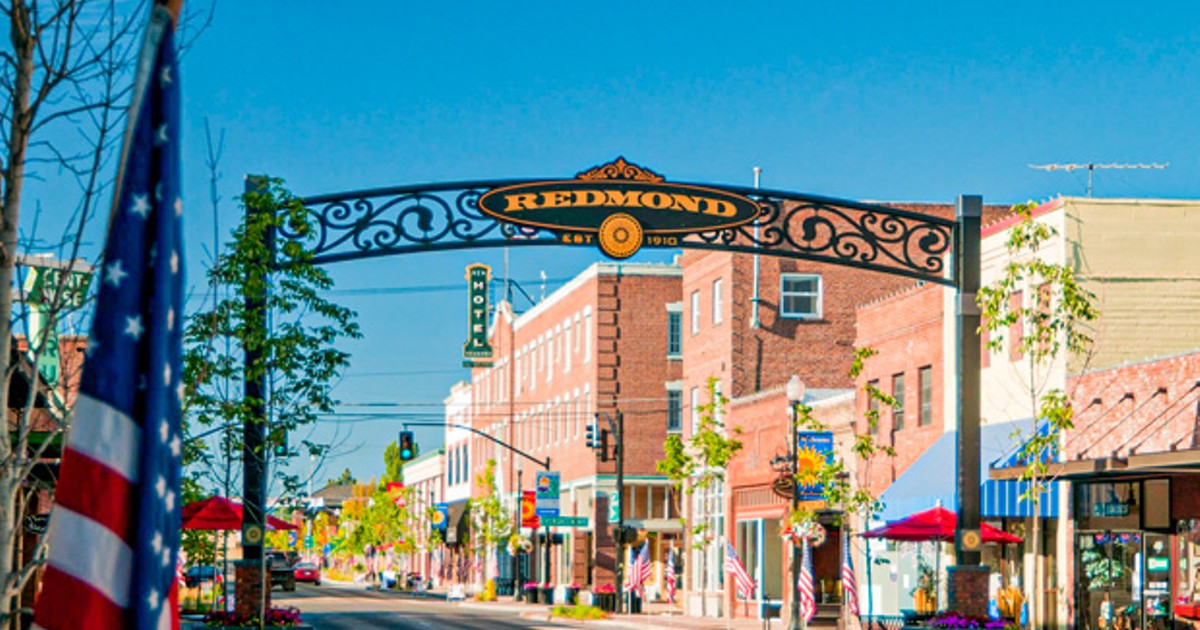
In-town Redmond covers the older grid neighborhoods around Downtown Redmond, the newer subdivisions on the south and southwest sides, and the build-outs near Ridgeview High School and St. Charles hospital. Think neighborhoods like Canal, Forked Horn Butte, the homes lining Dry Canyon, and the newer Southwest Redmond developments like Obsidian and The Greens. Lot sizes usually run from about a quarter acre down to small townhome footprints.
You get city water, city sewer, garbage pickup, and streetlights. You can walk to Centennial Park, the Saturday farmers market in summer, or grab coffee on SW 6th in the heart of downtown. The Dry Canyon Trail runs right through town, which means miles of walking and biking without ever getting in the car. The Redmond Airport is close enough to hear a jet now and then, but most folks tune it out within a week.
Internet is fast and reliable in most areas. Cell service works everywhere. If your kid forgets a lunchbox, you can drive back in ten minutes.
What "Redmond Acreage" Means in Rural Deschutes County
Now drive ten minutes out. You're in a different world.
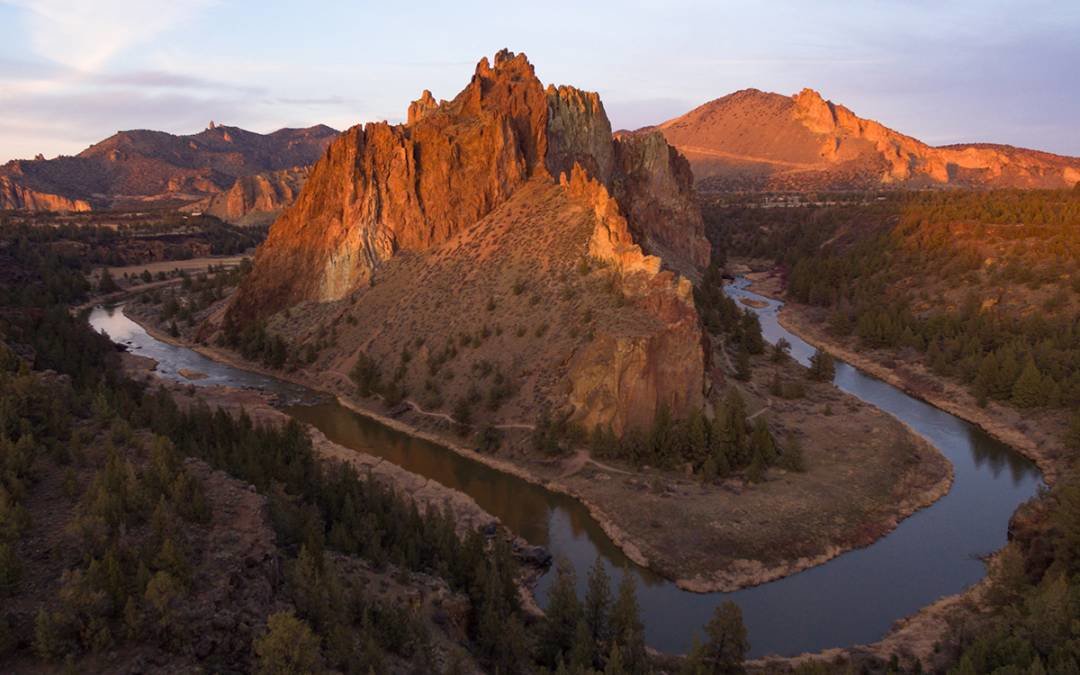
Head north and you're toward Terrebonne, Smith Rock State Park, and Crooked River Ranch. Head west and you're in Tumalo or out along the Cline Falls and Tetherow Crossing corridors. Go east and you're on the high desert edge toward Powell Butte and the Crooked River grasslands. There's also Eagle Crest Resort to the west, a gated community option that splits the difference between in-town convenience and rural quiet.
Out here, lots are usually one to ten acres, sometimes more. You're on a well. You're on a septic system. You haul your own trash to the transfer station or you pay a private hauler. Your power might flicker more often in winter storms.
But your neighbors are further away. Your sky is darker at night, which means stars you forgot existed. You can keep horses, chickens, a couple of cows if zoning allows. Your dog has room to be a dog.
The Real Trade-Offs Most Buyers Don't Think About
Here's where I earn my keep. Most buyers focus on the home and the view. They forget about the daily friction points. Let's talk about those.
Water. In town, you turn the tap and it works. On a well out in rural Deschutes County, you own the pump, the pressure tank, the filtration if your water has iron or hardness, and the cost of drilling deeper if the table drops. Wells in Central Oregon are generally good, but they're not free to maintain.
Commute. A house ten minutes from Downtown Redmond feels close until you realize ten minutes becomes twenty in a snowstorm, and the county doesn't plow rural roads first. If you work in Bend, add another twenty-five minutes each way on Highway 97. That's two hours of windshield time daily. Areas like Crooked River Ranch add even more, since you're a solid twenty-five to thirty minutes from Redmond on a good day.
Schools. If you're buying for a household with kids in school, look at the bus route map before you fall in love with a property. Some rural addresses mean a long bus ride or a parent driving to a pickup point on a county road. In Southwest Redmond, the bus often stops at the corner.
Internet. This one surprises people. In town, you've got fiber in most neighborhoods now. Out in the county, you might be on fixed wireless, Starlink, or a slower DSL line. If you work from home on video calls all day, this matters.
Fire risk and insurance. Central Oregon is fire country. The further out you go, the more likely you are to be in a higher-risk zone for insurance. Some carriers have stopped writing new policies in certain rural areas. Get a quote before you write an offer, not after.
Snow and weather. Town gets plowed and sanded. Rural driveways are yours to handle. A quarter-mile gravel driveway is romantic in July and a real chore in February. Plan accordingly.
What You Get In-Town That You Can't Get on Acreage
Walkability. Streetlights. A neighbor you can borrow a cup of sugar from. Quick access to St. Charles, the library, the grocery store. The Dry Canyon Trail out your back door. A yard that takes thirty minutes to mow instead of three hours.
If you travel a lot, in-town living means you can lock the door and leave without worrying about the well pump freezing or the gate getting blown open in a windstorm.
What You Get on Acreage That You Can't Get In-Town
Space. Quiet. Stars. The smell of juniper after a rain. The ability to step outside in the morning and not see another house. Room for a shop, a barn, a garden that feeds you through October. In places like Powell Butte or Terrebonne, you can have Smith Rock or the Cascades framed in your kitchen window.
Most buyers who choose acreage tell me the same thing six months later. They didn't realize how much the quiet would change them.
So Which One's Right for You?
Honestly? Ask yourself three questions.
First, how often do you actually use what's downtown? If you go to the farmers market every Saturday and grab dinner in town three nights a week, acreage will start to feel like work.
Second, how much maintenance do you want to own? A rural property is a small business. A well, a septic, a propane tank, a long driveway, fence lines, fire mitigation. If you like that work, great. If you don't, you'll resent it.
Third, what does your week actually look like? Not the dream version. The real one. Map your commute, your kids' activities, your gym, your grocery runs. Then look at where the house sits.
Final Thought
Redmond is one of the few places in Central Oregon where you can genuinely choose your speed of life within the same area code. In-town Redmond gives you convenience and connection. Redmond acreage gives you space and silence. Both are good. Neither is better. The question is which version of your daily life feels like home.
If you want to talk through specific neighborhoods like Obsidian or Forked Horn Butte, or rural pockets like Terrebonne, Tumalo, or Crooked River Ranch, I'm happy to walk you through what's on the market and what's coming. I've been doing this in Central Oregon for almost forty years, and I can usually save you a few wrong turns.
Reach out when you're ready. We'll find the right side of the line for you.
Posted by Mark Ossinger onEnjoy this blog post? Click here to subscribe for updates
Leave A Comment